
PRO PAINTING BLOG
Recent Updates
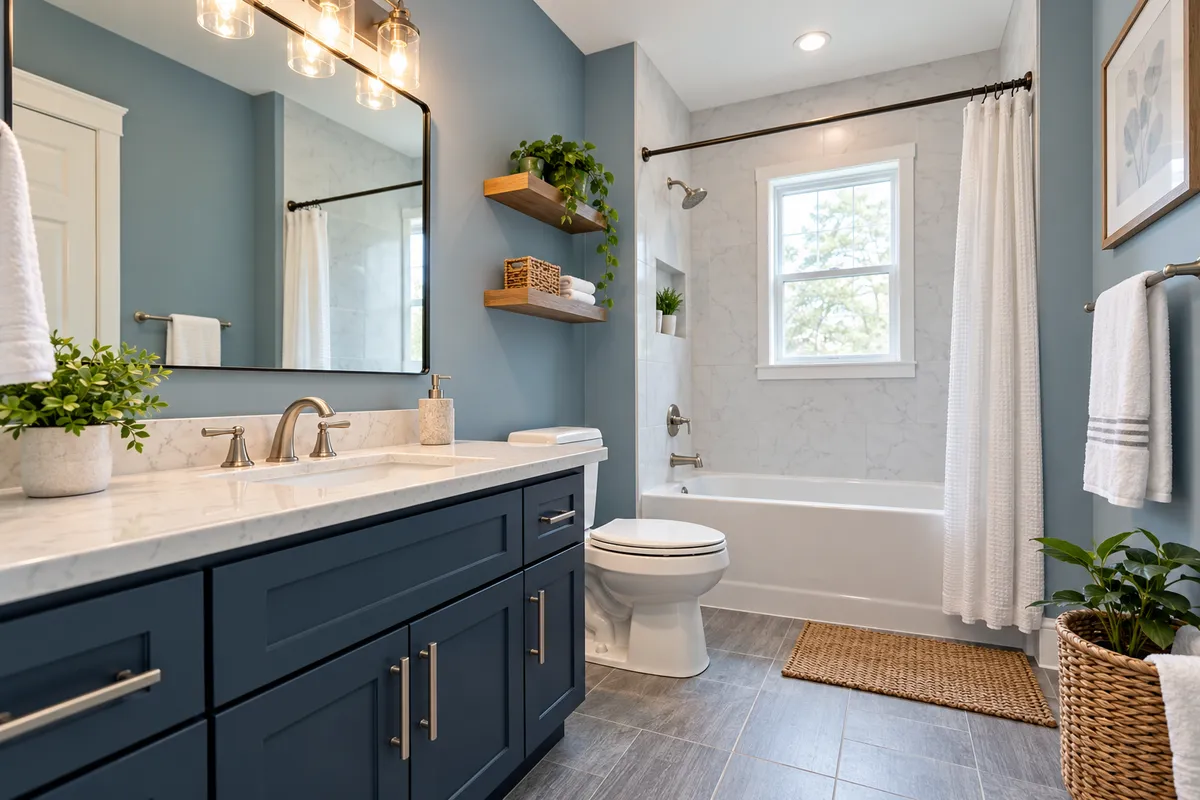
Bathroom Paint That Handles Moisture: What Sioux City Homeowners Should Know
A fresh coat of paint can make a bathroom feel brighter, cleaner, and more inviting. However, bathrooms experience more moisture than most other rooms in a home. Daily showers, hot baths, splashing water, and condensation can gradually affect painted walls and ceilings, especially when the wrong paint or finish is used.
For homeowners considering bathroom painting in Sioux City, choosing the right paint involves more than selecting an attractive color. The paint must withstand humidity, tolerate regular cleaning, and maintain its appearance through everyday use.
Iowa's changing seasons can also make indoor humidity management important. During colder weather, warm, moist air may condense on cooler walls and ceilings, creating conditions that contribute to paint deterioration and mildew growth.
The good news is that the right combination of moisture-resistant bathroom paint, proper surface preparation, and effective ventilation can help protect your bathroom while improving its appearance.
At Sioux City Pro Painting, homeowners can explore professional interior painting services designed around careful preparation, quality finishes, and attention to detail.
In this guide, you'll learn which bathroom paint works best, how to compare finishes, what causes bathroom paint to fail, and when professional painting may be the right choice.
What Is the Best Paint for a Moisture-Prone Bathroom?
The best paint for most bathroom walls is a quality acrylic latex paint specifically formulated for bathrooms or other high-humidity spaces, paired with a durable satin or semi-gloss finish. These products are designed to resist moisture, withstand cleaning, and help protect painted surfaces from mildew growth.
However, no paint can completely prevent mildew or repair an underlying leak. Ventilation, proper preparation, and correcting existing moisture problems are equally important.
When selecting bathroom paint, consider these four factors:
Moisture resistance: Choose a product designed to handle bathroom humidity and occasional splashes.
Washability: Select a finish that can tolerate routine cleaning without losing its appearance.
Mildew resistance: Look for bathroom-specific formulations that help resist mildew on the painted surface.
Surface compatibility: Make sure the paint and primer are suitable for the existing walls, ceiling, trim, or other surfaces.
For the best results, follow the manufacturer's instructions for surface preparation, application, drying, and curing.
Why Bathroom Paint Needs Special Protection
Bathrooms create conditions that can challenge ordinary interior paint. Even a small bathroom can accumulate considerable moisture when several people use the shower daily or when ventilation is inadequate.
Understanding the most common problems can help you make a better decision before starting a painting project.
1. Humidity and Condensation
When hot shower water releases steam, moisture enters the air and can settle on cooler surfaces. Over time, repeated condensation may contribute to bubbling, peeling, discoloration, and deterioration of the paint film.
Ceilings, outside walls, and corners with limited airflow may be especially vulnerable.
A bathroom-specific paint can provide better protection than an unsuitable standard interior formula. However, paint alone cannot solve persistent condensation.
2. Mildew Growth
Dark spots around ceilings, corners, windows, and other damp areas may indicate mildew or another moisture-related problem.
Mildew-resistant paint helps reduce the likelihood of mildew developing on the painted surface, but it is not a substitute for removing existing growth or correcting the conditions that allow it to return.
Before repainting, determine whether the problem comes from condensation, a plumbing leak, poor ventilation, or another source of moisture.
3. Frequent Cleaning
Bathroom walls collect dust, fingerprints, splashes, and residue from everyday use. Areas around sinks and light switches may need regular cleaning.
Paint that cannot tolerate wiping or gentle scrubbing may develop shiny patches, faded areas, or damaged spots.
Choosing a durable, washable bathroom paint finish helps maintain a consistent appearance while making routine upkeep easier.
Choosing the Right Bathroom Paint Finish
The paint finish affects how your bathroom looks, how easily you can clean it, and how well the painted surface stands up to everyday conditions.
Satin and semi-gloss finishes are common choices for bathroom walls because they generally offer good durability and cleanability. The best option depends on the room's moisture levels, the condition of the walls, and the appearance you prefer.
Satin Finish: A Practical Choice for Bathroom Walls
Satin offers a soft sheen without the highly reflective appearance of glossier finishes. It is a popular choice for homeowners who want a balance between durability and a smooth, understated look.
Satin bathroom paint is often suitable for:
General bathroom walls.
Powder rooms that receive occasional splashes.
Bathrooms where homeowners prefer a subtle sheen.
Surfaces that need regular but gentle cleaning.
Satin can reveal wall imperfections more readily than flat paint, so proper patching and sanding are important before application.
Semi-Gloss Finish: Durable and Easy to Clean
Semi-gloss has a more noticeable shine and generally provides a durable, washable surface.
It can be a good choice for areas that receive frequent splashes or require regular cleaning, particularly trim, doors, and suitable bathroom wall surfaces.
Semi-gloss bathroom paint is often suitable for:
Trim and door frames.
Window trim.
Areas near sinks where splashes occur.
Bathroom walls where easy cleaning is a priority.
The trade-off is that semi-gloss reflects more light, which can highlight dents, uneven patches, and other surface imperfections.
What About Eggshell and Flat Paint?
Eggshell provides less sheen than satin and may be suitable for certain lower-moisture spaces when the specific product is rated for the conditions.
Standard flat or matte wall paint is generally less suitable for high-humidity bathroom walls because it may be harder to clean and less resistant to repeated moisture exposure.
Bathroom-rated ceiling products may have different finish recommendations, so do not automatically rule out every matte ceiling formula. Always check whether the product is designed for the surface and environment.
Bathroom Paint Finish Comparison
Paint Finish | Main Advantages | Best Use |
Satin | Balanced sheen, good cleanability, practical durability | Most bathroom walls |
Semi-gloss | Durable, washable, noticeable shine | Trim, doors, and frequently cleaned surfaces |
Eggshell | Subtle sheen and moderate cleanability | Certain lower-moisture bathrooms, if product-rated |
Flat or matte | Low reflection and a softer appearance | Only when a suitable bathroom-rated product is specified for the surface |
The finish is only one part of the decision. A quality bathroom-specific formula with appropriate moisture resistance is more important than choosing a sheen based on appearance alone.
How Mildew-Resistant Paint Helps Protect Bathroom Walls
Mildew-resistant paint is designed to help inhibit mildew growth on the painted surface. Depending on the formulation, it may include ingredients that resist microbial growth and create a durable coating that handles humid conditions.
This makes it a useful option for bathrooms where steam and condensation are recurring concerns.
However, it is important to understand what mildew-resistant paint can and cannot do.
What Mildew-Resistant Paint Can Do
A suitable product can help:
Reduce the likelihood of mildew developing on the paint film.
Improve resistance to moisture-related paint deterioration.
Make painted surfaces easier to clean.
Maintain the bathroom's appearance for longer when paired with good maintenance.
What Mildew-Resistant Paint Cannot Do
It cannot reliably solve:
Active plumbing leaks.
Water entering through damaged walls or roofs.
Persistent condensation caused by poor ventilation.
Mildew growing behind drywall or beneath failing paint.
Structural moisture problems.
If you notice recurring dark spots, bubbling paint, soft drywall, or a persistent musty smell, investigate the underlying problem before painting.
Painting over active mildew or damp materials may result in the same issues returning beneath the new coating.
Preparing Bathroom Walls Before Painting
Even the best moisture-resistant bathroom paint may fail if the surface underneath it is dirty, damp, damaged, or poorly prepared.
Proper preparation helps the paint adhere evenly and creates a more professional-looking finish.
Step 1: Inspect the Existing Paint
Look for peeling, cracking, bubbling, stains, and areas where the existing coating has separated from the wall.
These signs may indicate poor adhesion or moisture damage. Determine the cause before applying new paint.
Step 2: Clean the Surfaces
Remove dust, soap residue, and other contaminants using a suitable cleaning method. Allow the surface to dry completely before proceeding.
If mildew is present, use an appropriate mildew-removal product according to its label and safety instructions. Wear suitable protective equipment and ensure adequate ventilation. Never mix bleach with other cleaning products.
Extensive growth or suspected contamination inside wall cavities may require professional remediation rather than routine surface cleaning.
Step 3: Repair Damaged Areas
Fill appropriate nail holes, minor cracks, and small surface imperfections with compatible repair materials.
Once the repairs have dried, sand them as needed to create a smooth transition between the repaired areas and the surrounding wall.
Soft, crumbling, or water-damaged drywall should be evaluated and repaired or replaced as necessary rather than simply covered with paint.
Step 4: Apply the Appropriate Primer
Primer helps prepare the surface for the finish coat. It may be especially important when painting bare drywall, covering stains, repairing damaged areas, or changing from a dark color to a lighter one.
Choose a primer that is compatible with the existing surface and intended paint system. Stain-blocking or mildew-resistant primers may be appropriate for specific conditions, but they should not be treated as a substitute for moisture repairs.
Step 5: Apply the Paint Correctly
Follow the manufacturer's instructions for application, coverage, recoat times, and curing.
Applying the recommended number of coats helps achieve a consistent finish. Allow sufficient drying and curing time before exposing the newly painted surfaces to shower steam or cleaning.
For homeowners who want a coordinated result throughout the house, Sioux City Pro Painting's interior painting services offer a starting point for exploring professional painting options.
Why Bathroom Ventilation Matters as Much as Paint
One of the most common mistakes homeowners make is expecting moisture-resistant paint to eliminate bathroom humidity.
Even a premium coating has limitations when moisture remains trapped in the room day after day.
An effective ventilation system helps remove humid air and reduce condensation on painted surfaces.
To help maintain your bathroom:
Run the exhaust fan during showers and baths.
Continue operating the fan after bathing, following its instructions and the room's ventilation needs.
Use a window for additional ventilation when weather and conditions allow.
Address fans that are noisy, ineffective, or not exhausting air outdoors as intended.
Repair plumbing leaks and other sources of persistent dampness promptly.
Wipe away standing water and clean bathroom surfaces regularly.
In Sioux City, these steps are especially helpful during colder months, when warm indoor air can meet colder wall or ceiling surfaces and create condensation.
If paint repeatedly peels in the same area, investigate the moisture source instead of applying another coat over the damaged finish.
Bathroom Painting Mistakes to Avoid
Avoiding a few common mistakes can make a significant difference in how your bathroom paint performs.
Using the Wrong Paint Formula
Ordinary interior paint may not provide the level of moisture resistance needed in a bathroom. Choose a product specifically recommended for high-humidity conditions.
Choosing a Finish Without Considering Cleaning Needs
A finish that looks attractive may not be practical for a heavily used bathroom. Consider how often the room is cleaned and how much moisture its surfaces encounter.
Painting Over Mildew
Covering visible mildew without addressing it can lead to recurring stains and paint failure. Remove the growth safely, correct the cause, and allow the surface to dry before repainting.
Ignoring Peeling or Bubbling Paint
These problems may signal moisture intrusion or adhesion failure. Simply applying more paint can conceal the issue temporarily without correcting it.
Rushing the Drying Process
Paint that has not dried or cured sufficiently may be damaged by shower steam, splashes, or cleaning. Follow the product's instructions before returning the bathroom to normal use.
Neglecting Surface Preparation
Uneven patches, dust, old residue, and poorly repaired damage can undermine the final result. Careful preparation helps create a smooth, consistent finish.
When Should You Hire a Professional Bathroom Painter in Sioux City?
A bathroom may be a relatively small room, but it can require careful work around mirrors, vanities, toilets, trim, fixtures, and ceiling edges.
Professional help may be worthwhile if your bathroom has recurring paint failure, multiple surface repairs, difficult-to-reach ceilings, or a finish that needs to coordinate with other interior spaces.
A professional painter can assess the existing coating, identify preparation needs, recommend a suitable paint system, and apply the finish with attention to detail.
When comparing bathroom painting services in Sioux City, IA, look for a contractor who explains the preparation process, communicates clearly about the scope of work, and considers the condition of the surfaces before recommending new paint.
Sioux City Pro Painting provides residential and commercial painting services throughout Sioux City and the surrounding Siouxland area, with an emphasis on preparation, quality workmanship, and dependable service.
Learn more about the company's approach on the Sioux City Pro Painting website, or explore the dedicated interior painting service page.
Give Your Bathroom a Fresh, Durable Finish
A bathroom refresh should do more than introduce a new color. The right paint system can improve the appearance of your space while helping painted walls withstand everyday humidity and cleaning.
For most bathrooms, a bathroom-specific moisture-resistant paint with a satin or semi-gloss finish is a practical starting point. Proper preparation, compatible primer, safe treatment of existing mildew, and effective ventilation are essential to achieving a durable result.
If your bathroom walls are peeling, stained, outdated, or simply ready for a fresh look, consider getting professional guidance before starting the project.
Planning a bathroom painting project in Sioux City? Contact Sioux City Pro Painting to discuss your goals and request a free estimate. A well-prepared surface and carefully applied finish can help your bathroom look its best for years to come.
Frequently Asked Questions About Bathroom Painting
1. What is the best paint for bathroom walls?
A quality acrylic latex paint formulated for bathrooms or high-humidity spaces is a strong choice for most bathroom walls. Pair it with a suitable satin or semi-gloss finish and follow the manufacturer's preparation and application instructions.
2. Is moisture-resistant bathroom paint worth it?
Yes. Moisture-resistant bathroom paint is designed to handle humid conditions better than many standard interior paints. It can help reduce paint deterioration and make surfaces easier to maintain, although it cannot correct leaks or poor ventilation.
3. Is satin or semi-gloss better for bathroom paint?
Satin is a popular choice for bathroom walls because it balances appearance and cleanability. Semi-gloss is generally more washable and durable but reflects more light and can highlight surface imperfections. The best option depends on the surface, product formulation, and your preferences.
4. Does mildew-resistant paint prevent mold completely?
No. Mildew-resistant paint helps resist growth on the painted surface but cannot guarantee that mold or mildew will never develop. Moisture control, ventilation, prompt leak repairs, and appropriate surface cleaning remain essential.
5. Can I paint over bathroom mildew?
You should not simply paint over existing mildew. Identify the moisture source, remove the growth using an appropriate method, and allow the surface to dry. If the affected material is damaged or the growth is extensive, professional assessment may be necessary before repainting.
6. Why does bathroom paint peel near the shower?
Peeling near a shower may result from repeated condensation, inadequate ventilation, water splashes, poor surface preparation, or moisture entering behind the paint. Identify and correct the underlying cause before applying a new coating.
7. What paint finish is best for a bathroom ceiling?
The best bathroom ceiling finish depends on the product and the room's moisture exposure. A bathroom-rated ceiling paint designed to resist humidity and mildew may be suitable. Proper ventilation and a dry, sound ceiling are equally important.
8. How long should bathroom paint dry before using the shower?
Follow the specific paint manufacturer's drying and curing instructions. Dry-to-touch time does not necessarily mean the coating is ready for repeated steam exposure. Waiting until the recommended time has passed helps reduce the risk of damage to the new finish.
9. How often should a bathroom be repainted?
There is no universal repainting schedule. A well-prepared bathroom with suitable paint and effective ventilation may maintain its appearance for years. Repaint when the finish becomes worn, discolored, difficult to clean, or damaged after any underlying moisture issues have been corrected.
10. Can professional painters help with bathroom moisture problems?
Professional painters can assess visible paint damage, prepare surfaces, and recommend an appropriate coating system. However, plumbing leaks, structural moisture intrusion, and extensive mold problems may require a plumber or qualified remediation specialist before painting begins.
11. Where can I find bathroom painting services in Sioux City, IA?
Sioux City Pro Painting provides interior painting services for homeowners in Sioux City and the surrounding Siouxland area. Visit the interior painting service page to learn more or visit the main website to request a free estimate.
Ready to Refresh Your Bathroom?
A fresh bathroom finish starts with the right paint, careful preparation, and a plan for managing moisture.
Contact Sioux City Pro Painting for a free estimate and discuss your bathroom painting goals with a local painting team.
Explore Interior Painting Services
Editorial note: Paint performance varies by product and surface conditions. Follow manufacturer instructions and address active leaks, persistent dampness, and existing mold before painting.

WELCOME
Welcome to our site! We are in the process of building our blog page and will have many interesting articles to share in the coming months. Please stay tuned to this page for information to come. And if you have any questions about our business or want to reach out to us, we would love for you to stop by our contact page.
Thank you!
©2026 Sioux City Pro Painting - All rights reserved
Created by Showcase 712