
PRO PAINTING BLOG
Recent Updates
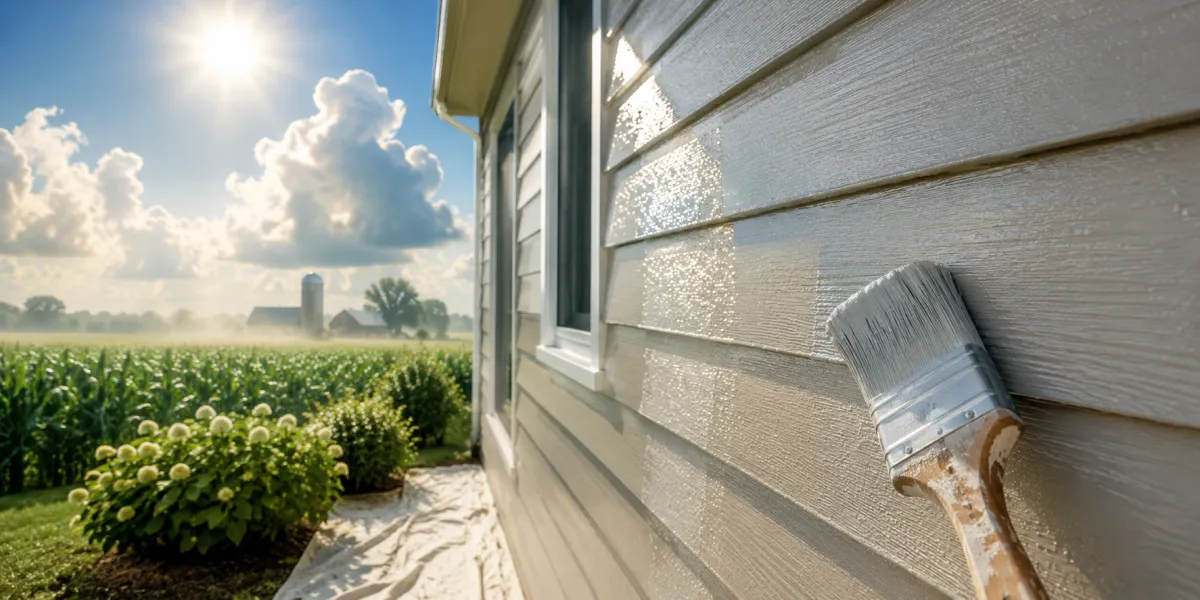
How Humidity and Heat Affect Exterior Paint Drying in Iowa Summers | Sioux City Pro Painting
If you’ve ever tried painting the outside of your home during an Iowa summer, you already know the weather has a mind of its own. One hour it’s sunny and breezy, the next it’s thick with humidity that makes the air feel like a wet blanket. Iowa summers bring a unique combination of heat and moisture that can make or break an exterior paint job, especially if you don’t know what to watch for.
At Sioux City Pro Painting, we’ve painted hundreds of homes across Iowa and northwest Iowa, and we’ve seen firsthand what happens when paint meets high humidity and extreme heat. In this guide, we break down exactly how these conditions affect exterior paint drying, what warning signs to watch for, and how our team works around Iowa’s unpredictable summer weather to deliver lasting results.
Why Iowa Summers Are Especially Challenging for Exterior Painting
Iowa sits in a part of the country where summer humidity regularly climbs above 70%, and temperatures frequently reach the upper 80s and 90s. That combination high heat and high moisture, creates conditions that are genuinely hostile to fresh exterior paint.
Unlike drier climates in the Southwest, where heat actually helps paint cure faster, Iowa’s humid air slows the evaporation process that paint relies on to dry properly. When there’s too much moisture in the air, paint can’t release its solvents or water content at the right pace. The result? Blistering, peeling, sagging, and poor adhesion often visible within just a season or two.
What Happens to Exterior Paint in High Humidity
Understanding how paint actually dries helps explain why humidity is such a problem. Exterior paint dries in two stages: first the surface cures as moisture evaporates, and then the paint film hardens and bonds to the surface beneath it. Humidity interferes with both stages.
Slow Surface Drying
When relative humidity is above 85%, the air already holds so much moisture that paint struggles to release its own water or solvents into the surrounding atmosphere. The surface stays tacky far longer than it should, which means dust, insects, and debris have more time to embed themselves in the finish.
Blistering and Bubbling
If the surface of the paint dries too quickly while the underlying layers remain wet which can happen when you paint in direct midday sun with humid air trapped moisture has nowhere to go. It pushes up through the top layer, creating blisters and bubbles that eventually pop and peel.
Poor Adhesion and Early Peeling
Paint applied over a surface that hasn’t fully dried from morning dew or recent rain will have a weak bond from the start. Even if it looks fine initially, you’ll likely see cracking and peeling within a year or two far sooner than a properly applied paint job should fail.
How Extreme Heat Affects Paint Differently
While humidity slows drying, intense heat creates its own set of problems. On a 95°F Iowa afternoon, the surface of a sun-facing wall can reach 130°F or more. When paint is applied to a surface that hot, the top layer dries almost instantly, before the deeper layers have had a chance to bond and settle.
This rapid surface cure creates a skin that traps solvents underneath. The pressure from those escaping solvents causes the familiar bumpy, wrinkled, or alligatored texture that professional painters work hard to avoid.
The ideal temperature range for applying most exterior paints is between 50°F and 85°F, with humidity below 70%. In Iowa’s July and August, those windows can be narrow, which is exactly why timing and technique matter so much.
Summer Painting Tips from Sioux City Pro Painting
Our team has developed a clear set of practices for painting in Iowa’s challenging summer climate. Here’s how we protect your paint job from the heat and humidity:
Paint in the morning or early evening. We avoid painting on surfaces in direct afternoon sun. Early morning is typically the sweet spot temperatures are lower, humidity from overnight has burned off, and the surface temperature is manageable. We stop work on sun-exposed walls by early afternoon and resume later in the day when shadows fall.
Check the dew point, not just the humidity percentage. Relative humidity alone doesn’t tell the whole story. A dew point above 55°F is a warning sign; above 65°F is a firm reason to reschedule. When the dew point is high, moisture condenses on cooler surfaces, which means your wood or siding may already be damp before a brush ever touches it.
Let surfaces dry completely before painting. We never apply paint to a surface that was rained on less than 24 hours ago. Even if it looks dry on the surface, moisture can linger in wood grain, siding gaps, and trim edges. We test with a moisture meter when conditions have been particularly wet.
Choose the right paint formulation. Not all exterior paints are created equal. We use high-quality paints specifically formulated for variable-humidity environments. These products have slower open times, better adhesion over a wider temperature range, and improved flexibility for Midwest freeze-thaw cycles.
Never apply paint to blistering-hot surfaces. If the siding surface is too hot to hold your hand on comfortably for more than a few seconds, it’s too hot to paint. We use shade staging: we move around the building following the shade, working with the natural cycle of sun and shadow across the day.
Apply thinner coats. In hot, humid weather, thick coats hold moisture and dry unevenly. We apply thinner passes and allow proper drying time between coats, even if that extends the project timeline. A proper two-coat system done right is far better than a heavy single coat done fast.
Signs Your Exterior Paint Job Was Affected by Humidity or Heat
If you’ve had exterior work done before, whether by a contractor or as a DIY project, and you’re seeing problems, humidity and heat may be the culprit. Watch for:
Blistering or bubbling paint on siding or trim
Paint peeling in large sheets within one to two years of application
Cracking or alligatoring, a pattern that looks like dry, cracked mud
Mildew or mold growing on or under the paint film shortly after application
Uneven sheen or color, especially in areas that received afternoon sun during application
If you’re seeing any of these issues, it’s worth having a professional assessment before repainting. Painting over a compromised surface without addressing the root cause will only lead to the same problems returning, often faster than the first time.
Is Your Home Ready for a Fresh Coat This Summer?
Don’t let Iowa’s heat and humidity ruin your paint investment. Our team knows how to time, prep, and apply exterior paint for results that last, even in the toughest summer conditions.
➤ Request Your Free Estimate at siouxcitypropainting.com
When Is the Best Time to Schedule Exterior Painting in Iowa?
Contrary to what many homeowners assume, midsummer isn’t always the best window for exterior painting in Iowa. While the warm temperatures do help paint cure, the combination of peak heat and high humidity can work against you particularly in July and August.
The most reliable painting windows in the Sioux City area are typically:
Late May through mid-June, before peak humidity arrives
Mid-August through September, as humidity levels begin to drop
Early October, when temperatures are still mild and the air is dry
That said, an experienced painting crew can work effectively even in the heart of Iowa’s summer by adjusting their schedule and technique. At Sioux City Pro Painting, we monitor weather conditions daily and adjust start times, work sequences, and product choices to make the most of available windows.
Learn more about our full exterior painting process on our Exterior Painting Services page at siouxcitypropainting.com/exterior-painting.
Proper Preparation Makes All the Difference
Even with perfect weather timing, a paint job is only as good as the prep work beneath it. Before any paint touches your home’s exterior in summer conditions, we make sure to:
Thoroughly clean and pressure-wash all surfaces to remove dirt, chalk, mold, and old peeling paint
Allow surfaces to dry completely we build drying time into our project schedule, not treat it as an afterthought
Sand and prime bare wood, caulk all gaps, and repair any damage before applying finish coats
Use a high-quality primer appropriate for the surface material and the environmental conditions expected during the project
Cutting corners on prep in humid conditions doesn’t save time it creates expensive callback work later. We’ve built our reputation in Sioux City on doing the preparation right the first time.
Frequently Asked Questions
Can you paint exterior walls in Iowa during the summer?
Yes, but timing is everything. Professional painters can successfully complete exterior projects in Iowa summers by working in the cooler morning hours, avoiding direct sun, monitoring humidity levels, and selecting paints designed for variable conditions. It’s not the ideal season, but with the right approach, excellent results are achievable.
What humidity level is too high for exterior painting?
Most paint manufacturers recommend avoiding application when relative humidity exceeds 85%. However, a better guide is the dew point: if the dew point is above 65°F, moisture in the air is high enough to interfere with proper paint adhesion and drying, regardless of what the thermometer reads.
How long does exterior paint take to dry in humid conditions?
Under ideal conditions, most exterior latex paints are dry to the touch within one to two hours and ready for a second coat within four hours. In high humidity, those times can double or even triple. Rushing the recoat window in humid weather is one of the most common causes of paint failure.
Is it better to paint in the morning or evening in summer?
Morning is generally the better choice. By mid-morning, overnight dew has had time to evaporate, temperatures are still reasonable, and you have a longer usable window before afternoon heat peaks. Evening painting can work in some cases, but falling temperatures and rising dew points as night approaches can cause problems with the final stages of drying.
Why is my exterior paint bubbling after a summer paint job?
Bubbling is almost always caused by moisture either in the surface being painted or in the air around it. Paint applied over wet wood or siding, or applied in high humidity, traps moisture that then pushes through the paint film as it tries to escape. The fix usually involves removing the blistered paint, allowing the surface to fully dry, and reapplying with proper preparation.
Get a Lasting Exterior Paint Job Even in Iowa Summers
Sioux City Pro Painting brings local expertise, professional-grade materials, and a weather-smart approach to every exterior project. We’ve helped Iowa homeowners protect their biggest investment for years and we’re ready to help you too.
✆ Call Us Today | siouxcitypropainting.com | Free Estimates

WELCOME
Welcome to our site! We are in the process of building our blog page and will have many interesting articles to share in the coming months. Please stay tuned to this page for information to come. And if you have any questions about our business or want to reach out to us, we would love for you to stop by our contact page.
Thank you!
Home | Get a Quote | Privacy Policy | Contact
©2026 Sioux City Pro Painting - All rights reserved
Created by Showcase 712