
PRO PAINTING BLOG
Recent Updates
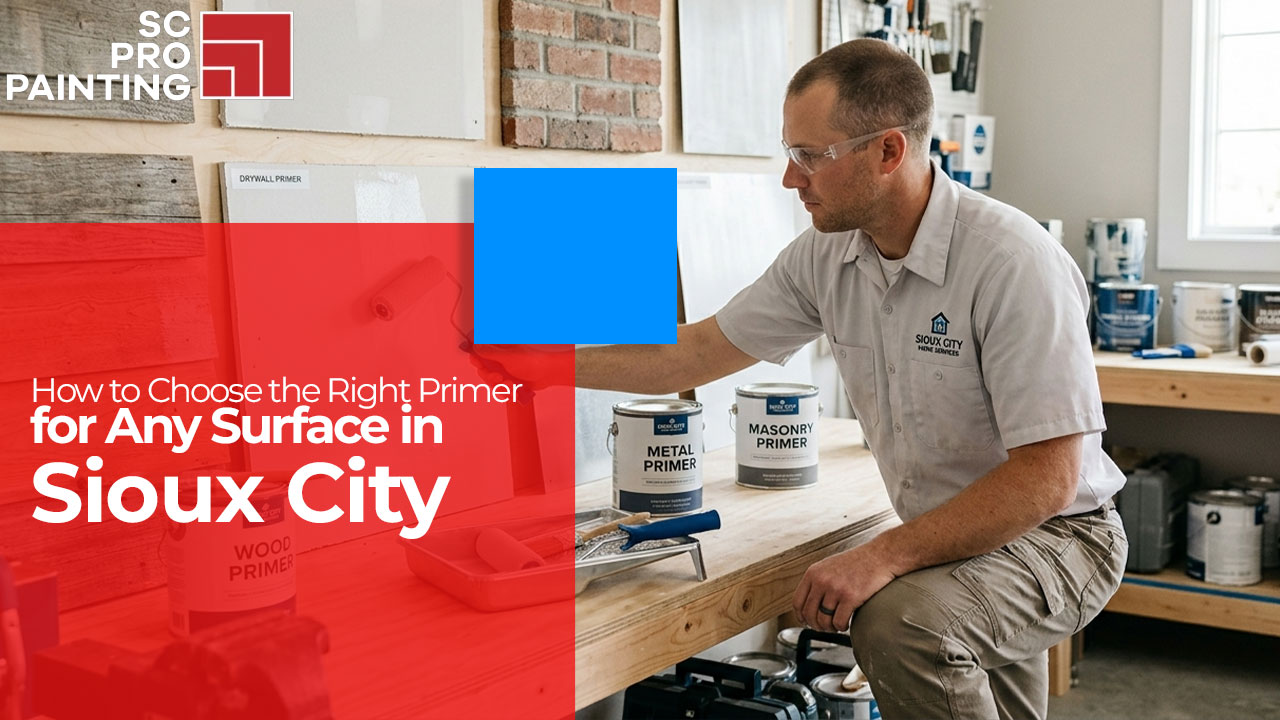
How to Choose the Right Primer for Any Surface in Sioux City | Sioux City Pro Painting
Painting a home or commercial property is about more than choosing the perfect color. One of the most important steps in achieving a smooth, durable, and professional-looking finish is selecting the right primer.
Whether you’re repainting interior walls, refreshing old siding, or transforming cabinets, the primer you use can determine how well your paint adheres, how long it lasts, and how polished the final result looks. In a climate like Sioux City, where surfaces experience seasonal temperature shifts, humidity, snow, and sun exposure, proper surface preparation and priming become even more critical.
At Sioux City Pro Painting, we help homeowners and businesses choose the right painting products and preparation methods for long-lasting results. This guide explains how to choose the best paint primer for any surface in Sioux City, including drywall, wood, metal, masonry, and previously painted surfaces.
Why Primer Matters Before Painting
Primer is a preparatory coating applied before paint. It creates a stable surface that helps paint bond properly while improving durability, coverage, and finish quality.
Skipping primer may save time initially, but it often leads to problems such as:
Uneven paint coverage
Peeling or cracking paint
Visible stains bleeding through
Reduced paint lifespan
Higher paint consumption
Poor adhesion on slick or porous surfaces
The right primer creates a foundation that protects surfaces and allows the topcoat to perform better over time.
In Sioux City homes, primers are especially important because seasonal weather changes can cause materials like wood and drywall to expand and contract. Proper priming helps reduce moisture-related issues and improves paint longevity.
Understanding the Different Types of Paint Primers
Before selecting a primer, it helps to understand the main categories available.
Oil-Based Primers
Oil-based primers are known for strong adhesion and stain-blocking performance. They work well on surfaces that may have water stains, smoke damage, or exposed wood.
Best uses include:
Bare wood
Stained surfaces
Exterior wood trim
High-moisture areas
Previously painted glossy surfaces
Advantages:
Excellent durability
Strong stain blocking
Great adhesion
Considerations:
Longer drying time
Strong odor
Requires mineral spirits for cleanup
Latex Primers
Latex primers are water-based and commonly used for drywall and softwood surfaces. They dry quickly and are easier to clean up.
Best uses include:
Drywall
Ceilings
Interior walls
Softwoods
Brick and concrete
Advantages:
Low odor
Fast drying
Easy cleanup
Flexible finish
Considerations:
Less effective for heavy stains
Not ideal for all glossy surfaces
Shellac Primers
Shellac primers are highly effective at sealing odors and severe stains.
Best uses include:
Smoke-damaged walls
Water stains
Pet odors
Knots in wood
Advantages:
Exceptional stain blocking
Fast drying
Strong odor sealing
Considerations:
Strong fumes
Best used by professionals
Choosing the Best Primer for Different Surfaces
Not all surfaces require the same type of primer. Here’s how to choose the best option based on the material you’re painting.
Primer for Drywall
Fresh drywall is extremely porous and absorbs paint unevenly without primer.
For new drywall, use a high-quality latex drywall primer designed to:
Seal the surface
Reduce paint absorption
Create even sheen
Improve topcoat adhesion
If you are repairing patches or texture inconsistencies, primer helps blend the repaired areas into the surrounding wall.
Surface Prep Tips for Drywall
Sand rough areas smooth
Remove dust thoroughly
Repair holes and cracks first
Allow joint compound to dry fully before priming
Primer for Wood Surfaces
Wood surfaces vary greatly depending on whether the wood is bare, stained, painted, or exposed to weather.
Bare Wood
Bare wood absorbs paint heavily and often releases tannins that can discolor paint. Oil-based or stain-blocking primers work best.
Ideal for:
Trim
Doors
Cabinets
Exterior siding
Painted Wood
If the surface is already painted but glossy, lightly sand first and apply a bonding primer to improve adhesion.
Exterior Wood in Sioux City
Sioux City’s freeze-thaw cycles can damage improperly sealed wood. Exterior-grade primers help protect against:
Moisture penetration
Wood swelling
Paint peeling
UV damage
Primer for Metal Surfaces
Metal surfaces require specialty primers to prevent rust and improve adhesion.
Ferrous Metals
Iron and steel surfaces should receive rust-inhibiting primers before painting.
Aluminum and Galvanized Metal
These surfaces need primers specifically designed for slick metals.
Surface Prep Tips for Metal
Remove rust completely
Clean grease and dirt
Sand glossy coatings
Dry thoroughly before priming
Proper metal priming is especially important for outdoor railings, fences, garage doors, and industrial surfaces exposed to Sioux City weather.
Primer for Masonry and Concrete
Concrete, brick, and masonry surfaces are porous and often alkaline, which can interfere with paint adhesion.
Masonry primers help:
Seal porous surfaces
Reduce moisture penetration
Improve paint durability
Prevent efflorescence
Common Masonry Surfaces
Basement walls
Brick exteriors
Concrete foundations
Stucco
Surface Prep Tips for Masonry
Remove loose debris
Clean mildew and dirt
Repair cracks
Allow surfaces to dry completely
Moisture testing may also be necessary before priming basement or exterior concrete walls.
Primer for Cabinets and Furniture
Cabinets and furniture often have slick factory finishes that resist paint.
Bonding primers are essential for:
Kitchen cabinets
Bathroom vanities
Laminate furniture
Painted furniture refinishing
Without proper primer, paint can chip or peel quickly on high-touch surfaces.
Cabinet Prep Tips
Degrease surfaces thoroughly
Sand glossy finishes lightly
Remove dust completely
Use durable bonding primer
Do Previously Painted Surfaces Need Primer?
Many homeowners assume primer is only necessary for bare surfaces, but that’s not always true.
Primer is still recommended when:
Changing from dark to light colors
Painting over stains
Covering patched areas
Painting glossy finishes
Switching paint types
Addressing peeling or damaged paint
In some repainting projects, paint-and-primer combinations may work, but dedicated primers still provide superior adhesion and durability in many situations.
The Importance of Surface Preparation
Even the best primer cannot compensate for poor preparation.
Professional painters know that successful painting starts with careful prep work.
Essential Surface Prep Steps
Cleaning
Dust, grease, mildew, and dirt prevent proper adhesion.
Use:
Mild detergent
Degreasers
Pressure washing for exteriors
Sanding
Sanding smooths rough areas and improves primer grip.
Focus on:
Glossy surfaces
Peeling paint
Wood imperfections
Repairs
Repair all:
Cracks
Nail holes
Water damage
Rotting wood
Moisture Control
Moisture is a major cause of paint failure in Sioux City homes. Surfaces must be fully dry before primer application.
Interior vs. Exterior Primers
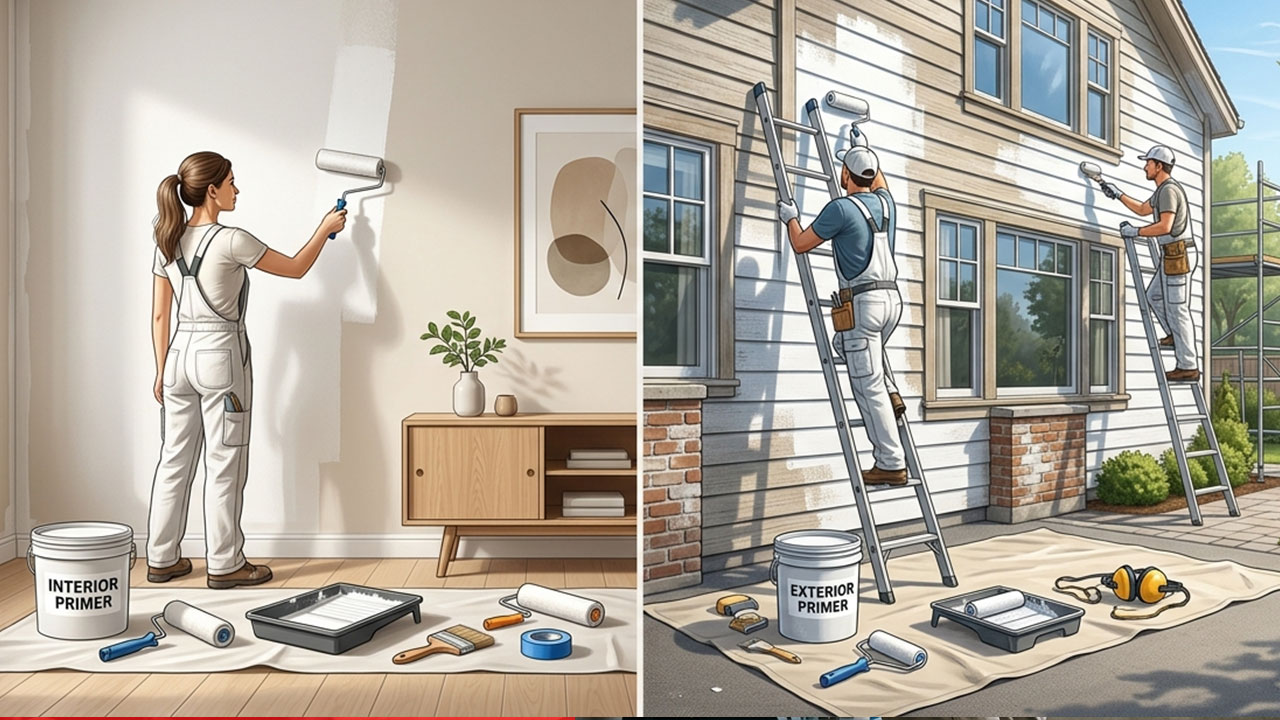
Interior and exterior primers are formulated differently.
Interior Primers
Designed for:
Smooth finishes
Low odor
Stain blocking
Drywall sealing
Exterior Primers
Built to resist:
UV rays
Rain
Temperature changes
Mold and mildew
Using exterior-grade primers on outdoor surfaces helps extend paint life and reduce maintenance costs.
Common Primer Mistakes to Avoid
There are some mistakes that people should avoid during painting. Choosing the wrong primer can create long-term problems.
Mistake #1: Skipping Primer Entirely
This often leads to uneven color, peeling paint, and poor durability.
Mistake #2: Using Interior Primer Outdoors
Interior primers cannot withstand harsh weather conditions.
Mistake #3: Ignoring Surface Conditions
Stains, moisture, rust, and gloss must all be addressed before painting.
Mistake #4: Rushing Prep Work
Proper cleaning and sanding are just as important as the primer itself.
Mistake #5: Choosing Cheap Products
Lower-quality primers may not seal or adhere properly, resulting in additional repainting costs later.
How Climate Affects Painting in Sioux City
Sioux City experiences:
Cold winters
Humid summers
Seasonal moisture fluctuations
Freeze-thaw cycles
These conditions can affect paint performance significantly.
Using the correct primer helps:
Reduce moisture penetration
Prevent blistering
Improve flexibility
Extend coating lifespan
Professional painters understand how regional weather conditions impact product selection and application timing.
When to Hire Professional Painters
While DIY painting projects are possible, some surfaces require specialized knowledge and products.
Professional painters can help with:
Extensive prep work
Moisture-damaged surfaces
Exterior painting
Cabinet refinishing
Commercial projects
High-performance coatings
At Sioux City Pro Painting, our team evaluates every surface carefully to ensure the right primer and preparation methods are used for lasting results.
CTA 1: Schedule a Professional Painting Consultation
Need help selecting the best primer and paint system for your property? Contact Sioux City Pro Painting today for expert recommendations and professional painting services in Sioux City.
CTA 2: Protect Your Investment with Proper Surface Prep
A long-lasting paint job starts before the first coat of paint is applied. Trust Sioux City Pro Painting for professional surface preparation and premium painting solutions tailored to your home or business.
CTA 3: Get a Free Estimate for Interior or Exterior Painting
Whether you need cabinet refinishing, drywall painting, siding updates, or commercial painting services, Sioux City Pro Painting delivers high-quality workmanship and durable results. Request your free estimate today.
Frequently Asked Questions
What is the best primer before painting drywall?
A high-quality latex drywall primer is typically the best option for new drywall because it seals porous surfaces and improves paint adhesion.
Do I need primer if the wall is already painted?
Yes, primer may still be necessary when covering stains, switching colors, painting glossy surfaces, or repairing damaged areas.
What primer works best for exterior wood?
Oil-based or exterior-grade bonding primers are commonly recommended for exterior wood because they resist moisture and improve durability.
Can I paint directly over metal without primer?
Most metal surfaces require primer to prevent rust and ensure proper paint adhesion, especially outdoors.
How long should primer dry before painting?
Dry times vary by product and weather conditions, but many primers require at least 1–24 hours before applying paint.
Is paint and primer in one enough?
Paint-and-primer combinations can work for some repainting projects, but separate primers usually provide better adhesion, stain blocking, and durability.
Why does paint peel even after priming?
Peeling can result from poor surface prep, moisture problems, incompatible coatings, or improper application methods.
What’s the difference between interior and exterior primer?
Exterior primers are designed to resist weather, UV rays, and moisture, while interior primers focus more on stain blocking and smooth finishes.

WELCOME
Welcome to our site! We are in the process of building our blog page and will have many interesting articles to share in the coming months. Please stay tuned to this page for information to come. And if you have any questions about our business or want to reach out to us, we would love for you to stop by our contact page.
Thank you!
Home | Get a Quote | Privacy Policy | Contact
©2026 Sioux City Pro Painting - All rights reserved
Created by Showcase 712