
PRO PAINTING BLOG
Recent Updates
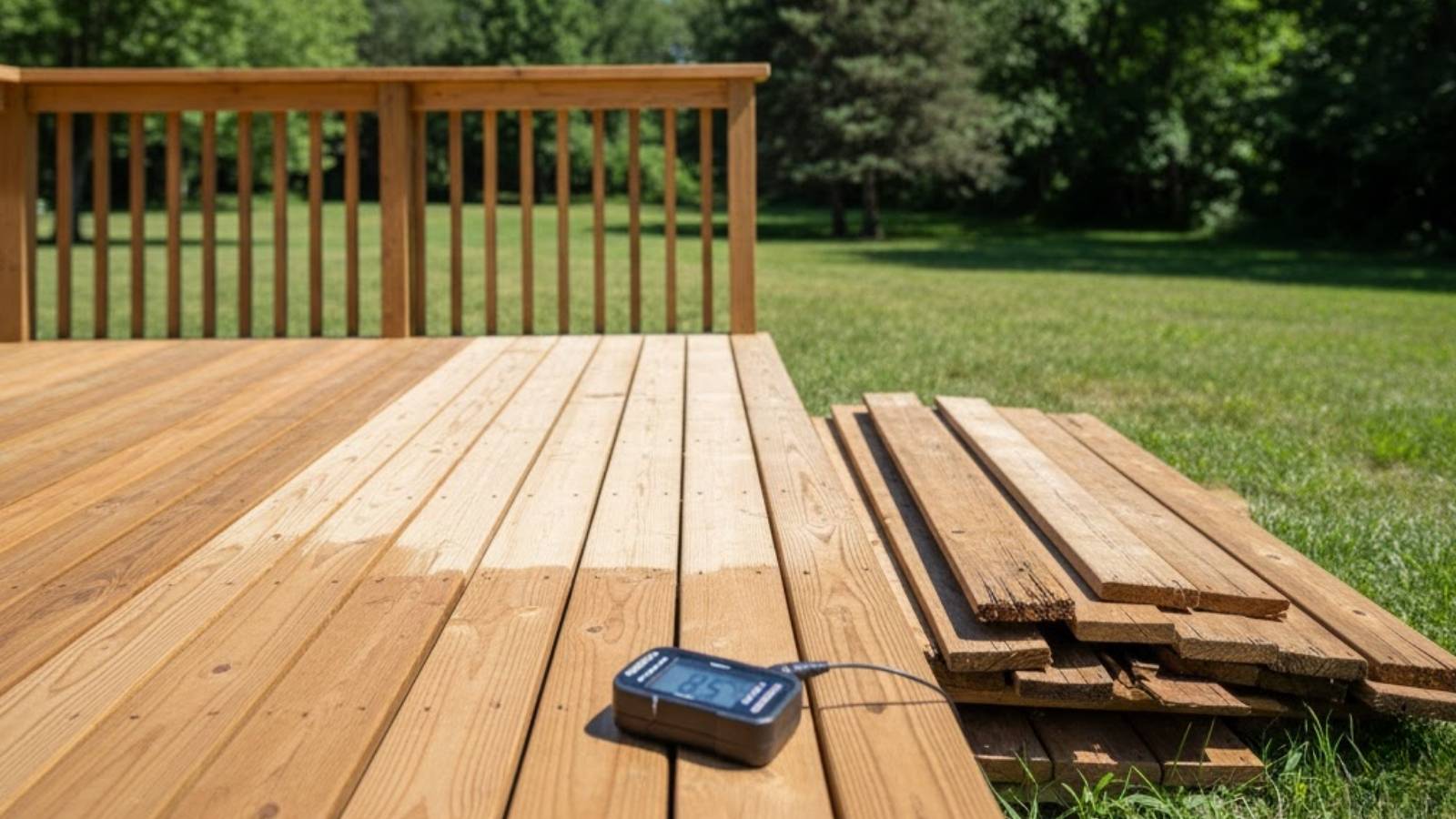
How to Prep Your Deck for a Summer Repaint in Iowa | Sioux City Pro Painting
Summer in Sioux City means backyard cookouts, long evenings on the porch, and finally getting around to that project you've been putting off all winter. And if your deck is looking rough, peeling paint, graying wood, maybe a few soft spots from the freeze-thaw cycles Iowa winters like to dish out, summer is exactly the right time to address it.
But here's what most homeowners don't realize: the repaint itself is the easy part. What makes or breaks a deck painting job is the preparation. Skip or rush the prep, and even the best quality paint will peel, bubble, and fail within a single season. Do it right, and a properly prepped and painted deck can look great for five to seven years or more.
At Sioux City Pro Painting, we've refinished hundreds of decks across Sioux City and the surrounding Iowa area. Prep is where we spend the majority of our time on every single deck project, and it's what separates a lasting result from a seasonal disappointment.
This guide walks you through exactly how to prep your deck for a summer repaint, step by step, so whether you're going the DIY route or preparing to hand it off to a professional, you know what a proper job actually looks like.
Why Iowa's Climate Makes Deck Prep Even More Important
Before getting into the steps, it helps to understand what your deck has already been through.
Iowa winters are hard on wood. Temperatures drop well below freezing, moisture gets into wood fibers, then expands when it freezes. By the time spring arrives, that cycle has happened dozens of times, and your deck has absorbed the damage. Paint and stain that was applied without proper prep will have cracked, lifted, and allowed moisture to penetrate the wood beneath.
Summer brings its own challenges: intense UV exposure fades and breaks down finishes, humidity causes wood to swell and move, and heat accelerates any existing adhesion failures.
The result? A deck that looks tired by August if the prep wasn't thorough going in.
Iowa's climate doesn't just require a fresh coat of paint, it requires paint that has something solid to bond to. That's what proper preparation delivers.
Ready to skip the prep work and let the pros handle it?
Our Sioux City deck painting team manages every step, from pressure washing to final coat, so you can enjoy your summer instead of spending it on a ladder.
Get a Free Deck Painting Estimate
Step-by-Step: How to Prep Your Deck for a Summer Repaint
Step 1: Clear the Deck Completely
This sounds obvious, but it's worth saying clearly: everything comes off the deck before prep begins. Furniture, planters, grills, outdoor rugs, decorative lights, all of it. Not just moved to one side, but completely off the surface.
Leaving anything in place creates obstacles that lead to missed spots, uneven cleaning, and areas that don't get properly treated. A fully clear deck is a fully prepped deck.
While you have everything off, take a walk around and under the deck as well. Check the ledger board where the deck attaches to the house, look at the posts and joists for any signs of rot or structural damage, and note any boards that feel soft underfoot. These issues need to be addressed before any paint goes on, not after.
Step 2: Pressure Wash the Entire Surface
Power washing is the single most important prep step for any deck repaint. It removes years of built-up grime, algae, mildew, pollen, and the gray oxidized layer that forms on weathered wood, none of which paint will bond to effectively.
For deck washing, the right setup matters:
Use 1,200–1,500 PSI for painted or previously stained wood. Higher pressure risks raising the grain and gouging softer wood.
Use a 25- to 40-degree tip to fan the spray rather than concentrate it in one spot.
Keep the wand moving, holding in one place will damage the wood surface.
Work with the grain, moving from one end of each board to the other in long, consistent passes.
For decks with heavy mildew or algae growth, apply a deck cleaner or oxygen bleach solution before washing and let it dwell for 10–15 minutes. This lifts biological growth that water pressure alone won't fully remove.
After washing, allow the deck to dry completely, typically 48 to 72 hours in Iowa summer conditions. Paint applied to damp wood will not adhere properly and will fail quickly. If you're working to a deadline, resist the temptation to rush this step.
Step 3: Inspect, Repair, and Replace Damaged Boards
Once the deck is clean and dry, you'll see it clearly for the first time, and that's often when surprises show up.
Walk every board and look for:
Soft spots or spongy areas, signs of rot that require board replacement
Raised nails or popped screw heads, these need to be set flush or replaced with deck screws
Cracked or split boards, minor cracks can be filled; deep splits may require replacement
Loose railings or balusters, structural issues need to be addressed before painting
Gaps between boards, large gaps can allow moisture to pool under the surface and accelerate future deterioration
This is the step most DIYers underestimate. Taking an extra hour or two here, replacing a bad board, setting nails, filling cracks, means the finished paint job performs the way it's supposed to.
For wood filler and epoxy repair products, let them cure fully per the manufacturer's instructions before moving on to sanding.
Step 4: Sand the Surface
Sanding does two things: it smooths out rough grain raised by pressure washing, and it scuffs the existing paint or stain surface to create mechanical adhesion for the new coat.
For bare or lightly weathered wood: A light sanding with 60- to 80-grit sandpaper along the grain is sufficient to smooth the surface and open the wood fibers to accept the new finish.
For previously painted or stained decks: Use 80-grit to scuff the existing surface thoroughly. Pay extra attention to edges, corners, and railings where paint tends to sit thicker and peel first.
For peeling areas: You may need to hand-scrape loose paint before sanding, especially on horizontal surfaces where peeling is more advanced. Don't sand over paint that's lifting; remove it first, then sand smooth.
After sanding, sweep and blow off all dust before moving to the next step. Dust particles left on the surface will be sealed under the primer or paint and create texture and adhesion problems.
Step 5: Apply Deck Primer (Don't Skip This)
This is the step that separates a five-year finish from a two-year finish.
Primer creates a bonding layer between the wood and the topcoat. It seals porous or repaired areas so the finish coat goes on evenly. It also locks in any wood tannins, especially relevant with cedar and redwood, that can bleed through and discolor the topcoat if left unsealed.
Use a primer formulated specifically for exterior wood decks. A general-purpose interior primer will not hold up to the expansion, contraction, and UV exposure a deck experiences.
For previously painted surfaces in good condition, a bonding primer is the right choice. For raw or stripped wood, a penetrating oil-based or water-based deck primer gives the best adhesion and long-term performance.
Apply primer with a brush to get into gaps, corners, and between balusters, then follow with a roller for the field of the deck boards. Allow the primer to dry fully before topcoating. Check the manufacturer's recoat window; applying topcoat too early is one of the most common causes of adhesion failure.
Not sure which primer or topcoat is right for your deck?
Our Sioux City exterior painting team helps homeowners choose the right products for Iowa's climate, and applies them with a level of precision that makes the difference last.
Schedule Your Free Estimate
Step 6: Choose the Right Paint or Stain for Iowa Conditions
Once your deck is properly prepped and primed, the topcoat selection matters, and in Iowa's climate, you need a product built for outdoor performance, not just appearance.
Here's a quick breakdown of your main options:
Solid Deck Paint Provides maximum color coverage and the most protection against UV and moisture. Best for decks that have been painted before or where the wood grain isn't worth highlighting. Requires proper prep to adhere well and will eventually need stripping when it fails.
Solid Deck Stain Similar opacity to paint but penetrates into the wood rather than forming a film on top. More forgiving when it comes to peeling, it tends to fade rather than peel dramatically. Good choice for weathered decks with minor blemishes you want to cover.
Semi-Transparent Stain Shows the natural wood grain while adding color and UV protection. Best reserved for decks in relatively good condition where the wood itself is still attractive. Doesn't hide imperfections well.
Clear or Tinted Sealer Maximum natural look, minimum coverage. Only appropriate for new or near-new wood in excellent condition.
For most Iowa homeowners repainting an existing deck, a solid or semi-solid deck stain strikes the right balance between coverage, performance, and ease of future maintenance.
Whatever product you choose, look for formulas that specifically call out:
Mildew resistance
UV protection
Flexibility (important for wood that expands and contracts with temperature changes)
Step 7: Apply the Topcoat Correctly
After all the prep, the application itself should be methodical and patient.
Check the weather before you start. Ideal conditions are 50–85°F with low humidity and no rain forecast for at least 24 hours after application. Iowa summer afternoons can bring storms quickly, check the forecast carefully.
Start with a brush on all vertical surfaces, railings, balusters, fascia boards, and stair stringers, before rolling the deck field.
Use a quality brush or roller cover rated for your product. Cheap applicators leave lap marks, bubbles, and uneven texture.
Work with the grain in long, consistent strokes. Don't overwork the paint once it's applied, pick it up and move on.
Apply two coats as directed by the manufacturer. The first coat seals and builds; the second coat is what you'll actually be looking at.
Allow full cure time before returning furniture. Most deck paints and stains need 24–72 hours of dry time before foot traffic and longer before heavy furniture goes back.
Common Deck Prep Mistakes That Cost Homeowners Money
Getting deck prep right is largely about avoiding the mistakes that cut a finish's lifespan in half. Here are the ones we see most often in Sioux City:
Painting over a dirty surface. Even if the deck looks clean, pollen, dust, and oxidized wood fibers prevent proper adhesion. Always pressure wash first.
Not allowing adequate dry time after washing. Moisture trapped in the wood beneath fresh paint leads to bubbling and peeling within weeks. In Iowa's summer humidity, plan for 48–72 hours minimum.
Skipping primer on bare or repaired wood. Unprimed wood is porous and uneven. The topcoat soaks in inconsistently, leaving thin spots that fail early.
Painting over peeling areas instead of removing them. New paint over old peeling paint peels twice as fast. Remove all loose material before proceeding.
Applying paint in direct midday sun. Hot surfaces cause paint to dry too quickly on contact, preventing proper penetration and adhesion. Paint in the morning or late afternoon when surfaces are cooler.
Choosing the wrong product for the existing surface. Applying a penetrating stain over a previously painted deck, or vice versa, almost always results in adhesion failure. Know what's already on the surface before choosing your new product.
Why Professional Deck Prep and Painting Makes a Difference
Deck preparation is time-consuming, physically demanding work. Done properly, it involves pressure washing, a multi-day drying period, scraping, sanding, repairs, priming, and a methodical two-coat application process. For most homeowners, that's an entire weekend, or two.
The other reality is that professional prep equipment and materials make a genuine difference. Commercial-grade pressure washers clean more thoroughly. Professional applicators and techniques eliminate lap marks and missed spots. And a crew that does this work daily moves faster and more consistently than any first-time effort.
At Sioux City Pro Painting, our deck projects follow a proven process: thorough inspection, complete pressure washing, full dry time, repairs, priming, and meticulous topcoat application, with a final walkthrough before we consider any job complete.
We use premium exterior deck products rated for Iowa's climate, professional tools, and techniques refined across hundreds of local projects. The result is a finish that looks sharp and holds up through everything Iowa's weather can throw at it.
We also offer full exterior painting, interior painting, and commercial painting services throughout the Sioux City area, all delivered with the same 5-star commitment.
Get 5-Star Deck Painting Results in Sioux City
From pressure washing to final coat, Sioux City Pro Painting handles every detail.
Contact us today for your free, no-obligation estimate.
Claim Your Free Estimate
Frequently Asked Questions
When is the best time of year to repaint a deck in Iowa?
Late spring through early summer, typically May through early July, is ideal in Iowa. Temperatures are consistently in the 60–80°F range, humidity is manageable, and you get plenty of dry days in a row. Mid-summer can work too, but avoid painting in the peak heat of the day when temperatures climb above 90°F.
How long does deck prep actually take?
For a standard 200–400 square foot deck, expect prep to take 2–3 days: one day for washing and repair, followed by 48–72 hours of dry time before you can sand, prime, and paint. Rushing this timeline is the most common cause of early finish failure.
Can I paint over my existing deck stain or paint?
It depends entirely on the condition of what's already there. If the existing finish is still adhering well with no peeling or bubbling, a properly scuffed surface can accept a new topcoat. If there's significant peeling or the existing product is incompatible with what you want to apply, stripping or full removal may be necessary. A professional assessment before you start saves a lot of wasted time and product.
What's the difference between deck paint and deck stain?
Paint forms a film on top of the wood that provides maximum coverage but will eventually peel when it fails. Stain penetrates into the wood fibers and tends to fade rather than peel dramatically, making future maintenance easier. For most existing decks in Iowa with previous paint or stain, a solid deck stain or deck paint are the two most practical options.
How long will a properly prepped and painted deck last in Iowa?
A professionally prepped and painted deck with quality products should last 5–7 years before needing significant attention in Iowa's climate. A deck painted without proper prep, over dirt, moisture, or inadequate primer, may start showing failure within one to two seasons.
How do I get started with Sioux City Pro Painting?
Contact us online or call (712) 217-3200 to schedule your free estimate. We'll walk the deck with you, assess the current condition, talk through product and color options, and give you a detailed, transparent quote with no surprises.
The Bottom Line
A summer repaint can genuinely transform your deck, and protect the investment you've made in your outdoor living space. But it only works if the preparation is done right. Clean the surface thoroughly. Allow adequate dry time. Make your repairs. Prime. Then apply a quality topcoat built for Iowa's climate.
Do all of that, and you'll have a deck that looks great and holds up for years. Skip steps, and you'll be back at it again next summer.
If you're in Sioux City or the surrounding area and want the job done right the first time, our team is here to help, from first inspection to final walkthrough.
Your deck deserves more than a quick coat of paint. Let's do it right.
Get Your Free Deck Painting Estimate →
Related Services from Sioux City Pro Painting:

WELCOME
Welcome to our site! We are in the process of building our blog page and will have many interesting articles to share in the coming months. Please stay tuned to this page for information to come. And if you have any questions about our business or want to reach out to us, we would love for you to stop by our contact page.
Thank you!
Home | Get a Quote | Privacy Policy | Contact
©2023 Sioux City Pro Painting - All rights reserved
Created by Showcase 712