
PRO PAINTING BLOG
Recent Updates
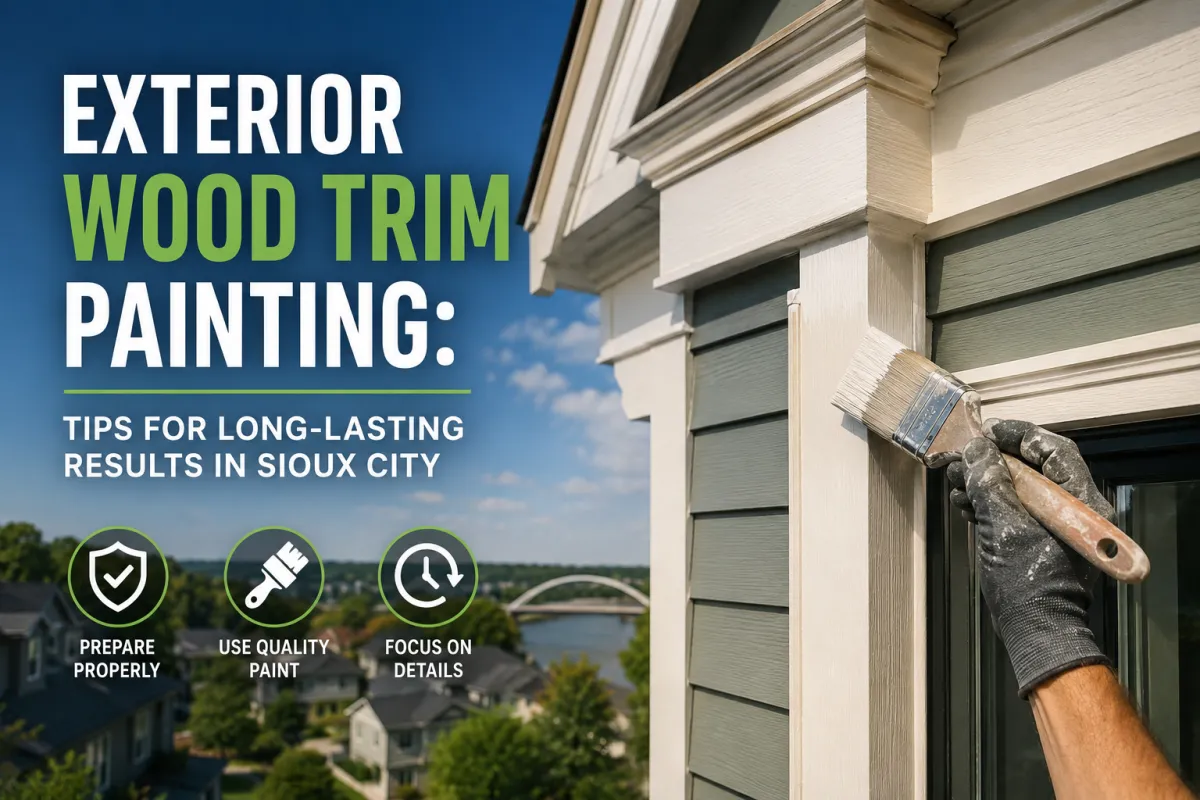
Exterior Wood Trim Painting: Tips for Long-Lasting Results in Sioux City
Exterior wood trim adds character, definition, and curb appeal to a home. From window trim and door frames to fascia, eaves, and decorative details, these smaller surfaces can make a major difference in how a house looks.
However, exterior trim also takes a lot of abuse from the weather. Sun, rain, snow, humidity, freezing temperatures, and seasonal temperature changes can cause paint to fade, crack, peel, or separate from the wood.
For homeowners considering exterior wood trim painting in Sioux City, proper preparation and product selection are essential. A quality paint job is about more than applying a fresh coat of color. The wood needs to be inspected, cleaned, repaired, primed, and painted correctly to create a finish that lasts.
Sioux City Pro Painting provides professional exterior painting services in Sioux City, including home exteriors, siding, doors, decks, fences, eaves, railings, and other exterior surfaces. (Sioux City Pro Painting)
Why Exterior Wood Trim Needs Special Attention
Wood trim is exposed to the elements from every direction. Unlike protected interior trim, exterior wood has to withstand moisture, ultraviolet exposure, temperature fluctuations, and everyday wear.
When moisture gets behind failing paint, it can contribute to swelling, cracking, and wood deterioration. Once the protective coating breaks down, the underlying wood becomes increasingly vulnerable.
Painting exterior wood trim helps provide a protective barrier while also improving the appearance of the home. However, the longevity of the finished surface depends heavily on what happens before the paint is applied.
This is why homeowners should think about preparation, primer, paint quality, and maintenance as one complete process rather than treating painting as simply a cosmetic upgrade.
1. Inspect the Wood Before Painting
The first step in any exterior wood trim project should be a careful inspection.
Look for:
Peeling or blistering paint
Cracks and gaps
Soft or deteriorated wood
Signs of moisture damage
Mildew or dirt buildup
Failed caulk around windows and doors
Exposed areas where the previous coating has worn away
Loose or damaged trim
Small problems are easier to address before painting than after a new coating has been applied.
If wood is damaged, painting over it will not solve the underlying problem. Damaged sections may need repair or replacement before the surface is prepared for paint.
A professional exterior painting contractor can also identify areas that may need additional preparation before coating.
2. Clean the Trim Thoroughly
Clean surfaces provide a much better foundation for paint.
Exterior trim can collect dust, pollen, dirt, cobwebs, mildew, and other contaminants. If these remain on the surface, they can interfere with paint adhesion.
Depending on the condition of the wood, cleaning may involve washing, rinsing, scraping, or other surface-preparation methods.
The most important consideration is allowing the wood to dry properly before painting. Applying coatings to damp wood can contribute to adhesion and durability problems.
Sioux City Pro Painting emphasizes surface preparation as an important part of its exterior painting process, including cleaning surfaces, removing loose paint, repairing damage, and protecting surrounding areas. (Sioux City Pro Painting)
3. Remove Loose and Peeling Paint
If the existing paint is peeling, cracking, or separating from the wood, it should not simply be covered with another coat.
Loose paint needs to be removed so the new coating has a stable surface to adhere to. Depending on the condition of the existing finish, preparation may include scraping and sanding.
The goal is not necessarily to remove every trace of old paint. Instead, the surface should be stabilized and smoothed so obvious edges, loose areas, and imperfections do not compromise the new finish.
Skipping this step is one of the easiest ways to end up with premature peeling.
4. Repair Cracks, Gaps, and Damaged Wood
Before painting window trim or other exterior woodwork, inspect the joints and edges carefully.
Small cracks and gaps can allow moisture to penetrate behind the coating. Appropriate exterior-grade fillers or caulking can help create a more uniform and protected surface.
Damaged or deteriorated wood should also be addressed before painting.
This is particularly important around:
Window frames
Door trim
Fascia
Eaves
Corner boards
Porch trim
Decorative exterior woodwork
A smooth, sound surface gives the paint a much better foundation and helps create a cleaner finished appearance.
5. Use the Right Primer
Primer is an important part of achieving durable wood trim paint results.
Exterior wood can be porous, weathered, or previously coated with different types of paint. A quality exterior primer can help improve adhesion, create a more consistent surface, and provide an appropriate foundation for the finish coat.
Primer selection should depend on the condition and type of wood, the existing coating, and the paint system being used.
For example, bare or repaired wood may require a different preparation strategy than previously painted wood that is still in good condition.
The key is to use a primer designed for the specific exterior application rather than treating primer as a one-size-fits-all product.
6. Choose Exterior Paint Designed for Trim
Not all exterior paints are ideal for every surface.
For wood trim, homeowners should consider a coating that is designed for exterior exposure and provides the durability and finish characteristics appropriate for trim.
The right product should be able to handle normal expansion and contraction while resisting moisture and everyday weather exposure.
Sheen is another consideration. Trim is often painted in a different sheen from siding because a slightly higher sheen can make architectural details stand out and may be easier to clean.
Your color choice also matters. White remains a popular option for window and door trim, but darker colors, muted neutrals, and contrasting shades can create a more distinctive exterior.
Sioux City Pro Painting notes that its exterior painting services include color guidance as well as work on doors, siding, eaves, decks, fences, railings, and other exterior surfaces. (Sioux City Pro Painting)
7. Pay Attention to Window Trim
Painting window trim requires careful preparation because window areas are particularly exposed to moisture and weather.
Before painting, check the condition of the trim around the window. Look for cracked caulking, peeling paint, gaps, and signs of deterioration.
Painters should also protect the glass, siding, surrounding walls, landscaping, and other nearby surfaces during the project.
The finished result should have clean lines and complete coverage without blocking or interfering with the operation of the window.
If the trim has significant deterioration, painting alone may not be enough. Repairing the affected wood first can help prevent the new finish from failing prematurely.
8. Don't Ignore Fascia, Eaves, and Other Trim
Homeowners often focus on window and door trim while overlooking other exterior wood details.
Fascia, eaves, porch trim, railings, and other wood components can be equally important to the overall appearance and protection of a home.
Sioux City Pro Painting's exterior painting services specifically cover a broad range of exterior surfaces, including eaves, decks, fences, siding, doors, railings, downspouts, and more. (Sioux City Pro Painting)
Painting these components at the same time can create a more consistent appearance and make it easier to maintain the exterior as a whole.
9. Consider Sioux City's Weather
Local weather should always be considered when planning an exterior painting project.
Sioux City homes experience seasonal changes that can affect exterior wood and paint. Moisture, freezing temperatures, summer heat, and direct sunlight can all contribute to normal exterior wear.
That makes proper preparation especially important.
Painting should be completed under suitable weather conditions, with enough time for the coating to dry and cure properly. A professional painting team can help determine the appropriate timing based on the surface condition and weather conditions.
10. Maintain the Trim After Painting
Even the best paint job benefits from routine maintenance.
Inspect exterior trim periodically for:
New cracks
Peeling or bubbling
Fading
Failed caulk
Moisture damage
Mildew
Exposed wood
Addressing small problems early can help prevent them from becoming larger repairs.
Keep the trim clean and make sure gutters and downspouts are functioning properly so water is directed away from painted wood.
Regular maintenance can extend the useful life of your exterior paint and help your home continue looking well cared for.
When Should You Repaint Exterior Wood Trim?
There is no single repainting schedule that works for every home. The condition of the existing paint is a better indicator than simply counting the years.
You may want to consider repainting when you notice:
Widespread peeling
Cracked or failing paint
Significant fading
Bare wood becoming exposed
Repeatedly failing touch-ups
Deteriorated caulking
Visible wood damage
A noticeable decline in curb appeal
If only a small section is damaged, a localized repair may be appropriate. If multiple areas are failing, a complete exterior painting project may provide a more consistent and durable result.
DIY or Professional Exterior Wood Trim Painting?
Painting exterior trim may look like a small project, but achieving a professional finish requires careful preparation.
Window trim, fascia, eaves, and other exterior details can involve ladders, detailed masking, scraping, sanding, caulking, priming, and precise paint application.
For homeowners who want a clean, durable result without spending days preparing and painting, hiring a professional can be a practical option.
Sioux City Pro Painting offers professional exterior painting services for residential and commercial properties throughout the Sioux City area. The company describes its process as including inspection, preparation, application, and cleanup. (Sioux City Pro Painting)
Get Professional Exterior Wood Trim Painting in Sioux City
Well-maintained exterior wood trim can improve curb appeal while helping protect vulnerable wood surfaces from everyday weather exposure.
The key to long-lasting results is preparation. Inspect the wood, clean the surface, remove failing paint, repair damage, use the appropriate primer, and select an exterior coating suited to the application.
If your home's window trim, doors, eaves, fascia, or other woodwork is looking worn, Sioux City Pro Painting can help you determine the right approach for your project.
Explore the company's exterior painting services in Sioux City or contact Sioux City Pro Painting for a free estimate. The company serves Sioux City and surrounding communities and provides residential and commercial painting services. (Sioux City Pro Painting)
A properly prepared and professionally painted exterior can give your home's wood trim a cleaner appearance and help it stay protected through Sioux City's changing seasons.

WELCOME
Welcome to our site! We are in the process of building our blog page and will have many interesting articles to share in the coming months. Please stay tuned to this page for information to come. And if you have any questions about our business or want to reach out to us, we would love for you to stop by our contact page.
Thank you!
Home | Get a Quote | Privacy Policy | Contact
©2026 Sioux City Pro Painting - All rights reserved
Created by Showcase 712