
PRO PAINTING BLOG
Recent Updates
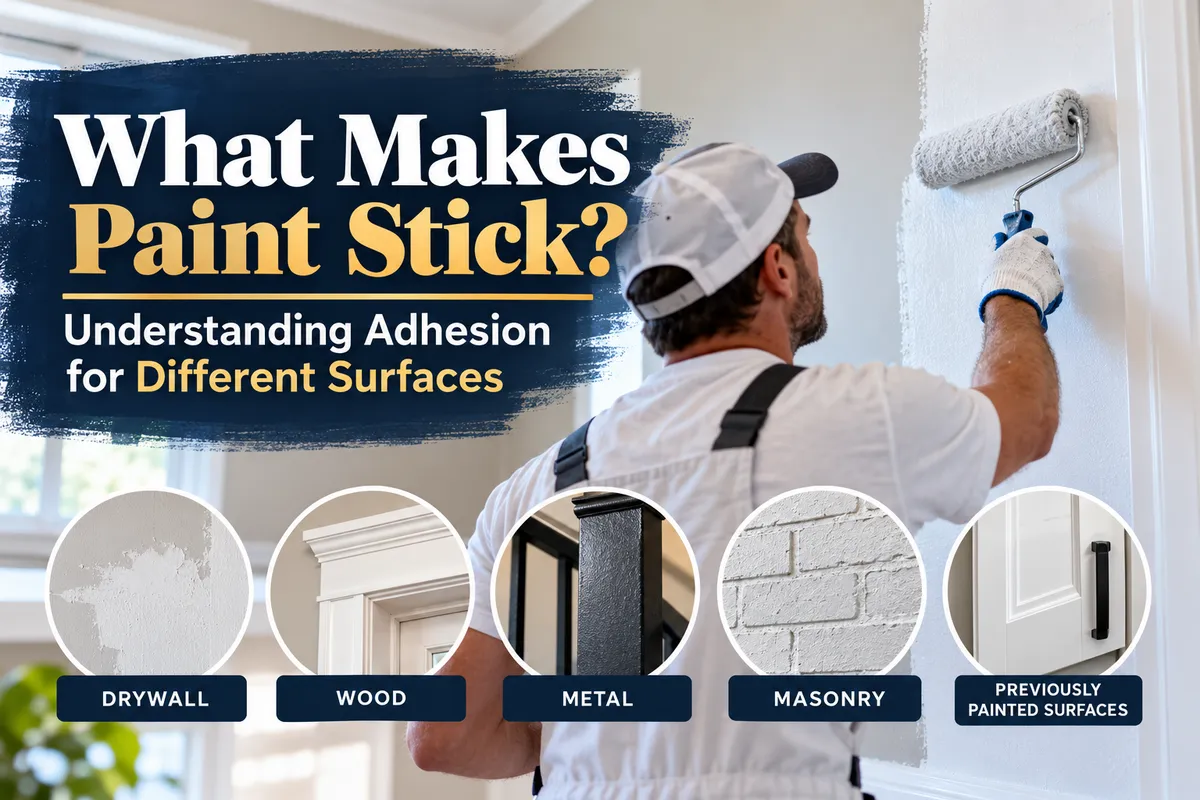
What Makes Paint Stick? Understanding Adhesion for Different Surfaces
Introduction: Why Does Paint Stick to Some Surfaces but Peel Off Others?
Have you ever noticed paint peeling from a wall, chipping off a door, or failing to stick to a previously painted surface? These problems can be frustrating, especially when a fresh coat of paint should make your home look cleaner and better maintained.
The reason often comes down to paint adhesion: the ability of paint to bond securely to the surface beneath it.
Paint does not adhere equally well to every material. Drywall, wood, metal, masonry, and previously painted surfaces each have different characteristics. Dirt, moisture, grease, glossy finishes, and incompatible coatings can also prevent paint from forming a durable bond.
For homeowners seeking professional painting in Sioux City, understanding paint adhesion is an important part of getting results that look good and hold up over time.
At Sioux City Pro Painting, surface preparation is an important part of the painting process. Cleaning, sanding, repairing, and priming when needed help create a suitable foundation for the finish coat.
In this guide, we'll explain how paint adhesion works, what causes paint to peel, and how different surfaces should be prepared before painting.
What Is Paint Adhesion?
Paint adhesion refers to how well a coating attaches to the material underneath it. A properly bonded paint film should remain attached under normal conditions instead of peeling, flaking, or separating from the surface.
Adhesion depends on several factors, including:
The type and condition of the surface.
The cleanliness of the material before painting.
The compatibility of the primer and paint.
The presence of moisture, grease, dust, or other contaminants.
The preparation method used.
The environmental conditions during application and curing.
Paint can fail even when a high-quality product is used if the surface is not prepared correctly.
For example, applying new paint directly over a greasy kitchen cabinet or a glossy door without suitable preparation can lead to poor bonding. Similarly, painting over damp masonry can create problems if moisture becomes trapped beneath the coating.
The key takeaway: Successful painting begins before the first coat is applied. The surface must be clean, sound, and compatible with the selected paint system.
How Does Paint Actually Stick to a Surface?
Paint adhesion generally involves several related processes. Understanding them helps explain why preparation matters so much.
1. Mechanical Adhesion
Mechanical adhesion occurs when paint grips the tiny irregularities in a surface.
Light sanding can create a suitable texture on certain smooth or glossy surfaces, allowing compatible coatings to establish better contact.
For example, a previously painted door with a hard, shiny finish may need cleaning and appropriate sanding before repainting. The goal is to prepare the existing coating without damaging the underlying material.
Not every surface should be sanded in the same way. Some materials require specialized preparation, and older coatings may present lead-related hazards. When the age or composition of existing paint is uncertain, avoid aggressive sanding or scraping until the appropriate safety precautions have been determined.
2. Chemical and Interfacial Bonding
Some coatings adhere through interactions between the paint and the surface at their interface. The exact mechanism depends on the coating formulation and the material being painted.
Primers are often designed to improve compatibility between the underlying material and the finish coat.
For example, a suitable metal primer can help a coating adhere to properly prepared metal while also providing corrosion protection when the product is designed for that purpose.
The important point is that different surfaces may require different primers and paint systems.
3. Proper Film Formation and Curing
Paint needs suitable conditions to form a continuous film and develop its intended properties.
Temperature, humidity, ventilation, film thickness, and drying time can all influence the result. Applying another coat too soon or painting outside the product's recommended conditions may compromise the finish.
Drying and curing are not always the same. Paint may feel dry to the touch before it has developed its full hardness and durability.
Always follow the manufacturer's instructions for application, recoat times, and curing.
Why Does Paint Peel, Crack, or Flake?
Paint adhesion problems can develop for several reasons. Identifying the underlying cause is essential because simply applying another coat may not solve the problem.
1. Painting Over a Dirty Surface
Dust, grease, oils, soap residue, and other contaminants can form a barrier between paint and the surface.
This is particularly common on kitchen cabinets, doors near frequently touched handles, and walls exposed to cooking residue.
How to prevent it: Clean the surface using an appropriate cleaner, remove residue as directed, and allow the material to dry completely before painting.
2. Skipping Surface Preparation
Loose paint, rough patches, damaged areas, and glossy finishes may prevent a new coating from bonding properly.
Painting over peeling paint does not secure the loose layer underneath. Eventually, the new coating may separate along with the old one.
How to prevent it: Remove unstable coatings safely, repair damaged areas, and sand or prepare the surface according to the material and coating requirements.
3. Using the Wrong Primer
Primer is not one-size-fits-all. A product designed for bare drywall may not be appropriate for metal, stained wood, or a slick previously painted surface.
Using an incompatible primer can contribute to poor adhesion, discoloration, or other coating failures.
How to prevent it: Select a primer specifically suitable for the surface and compatible with the intended topcoat. Follow the product's preparation and application instructions.
4. Painting Over Moisture
Moisture can interfere with paint adhesion and may contribute to bubbling, blistering, peeling, or deterioration.
Common sources include plumbing leaks, roof leaks, condensation, and moisture entering through exterior walls.
How to prevent it: Identify and correct the moisture source before repainting. The surface must meet the paint manufacturer's moisture requirements before the coating is applied.
Covering a damp surface with paint does not resolve the underlying problem.
5. Applying Incompatible Coatings
Not every paint adheres well to every existing finish. A coating applied over a slick, hard, or chemically incompatible surface may fail even if it initially looks smooth.
How to prevent it: Identify the existing coating when possible, clean the surface, perform the preparation specified by the new paint system, and use an appropriate bonding primer when needed.
6. Painting in Unsuitable Conditions
Extreme temperatures, excessive humidity, poor ventilation, and other unsuitable application conditions can affect how paint dries and cures.
Cold conditions may slow drying, while excessive heat can cause some coatings to dry too quickly for proper application. High humidity can also extend drying times for many products.
How to prevent it: Check the product label for acceptable temperature and humidity ranges and allow sufficient drying and curing time.
How to Prepare Different Surfaces for Better Paint Adhesion
One of the most important steps in any painting project is matching the preparation process to the material.
Here is what homeowners should understand about common surfaces.
Drywall and Interior Walls
<PRIVATE_PERSON>Drywall</PRIVATE_PERSON> is porous, and new drywall repairs can absorb paint differently from the surrounding wall.
Proper preparation typically involves removing dust, repairing imperfections, and applying an appropriate primer to new drywall or patched areas. Previously painted walls may require cleaning, light sanding, or spot priming depending on their condition.
If your walls have stains, peeling paint, or uneven patches, the underlying issue should be addressed before the finish coat is applied.
For help refreshing your home's interior, explore interior painting services in Sioux City.
Wood and Wood Trim
Wood can absorb moisture, expand, contract, and release natural substances that may affect a paint finish.
Preparation depends on whether the wood is bare, previously painted, stained, or sealed.
Typical considerations include:
Cleaning away dirt and contaminants.
Removing loose or failing paint safely.
Sanding appropriate surfaces to create a suitable foundation.
Filling compatible minor imperfections.
Applying a suitable primer when required.
Bare wood and previously finished wood often need different approaches. Knots, tannins, and other substances may also require a stain-blocking primer.
Doors, baseboards, window trim, and cabinets can all benefit from preparation suited to their existing finish.
Metal Surfaces
Metal surfaces can be challenging because smooth metal may provide limited grip, and certain metals can corrode.
The preparation method depends on the metal type, its condition, and the existing coating.
For many metal surfaces, preparation may involve removing dirt, oil, and loose corrosion, followed by a compatible metal primer. Some metals require specialized products or preparation methods.
Never assume that a standard wall primer will work on every metal surface.
Masonry, Brick, and Concrete
Masonry materials can be porous and may retain moisture. Concrete and other cement-based surfaces can also be highly alkaline, which can affect certain coatings.
Before painting masonry, check for moisture, efflorescence, deteriorating material, and other conditions that may interfere with adhesion.
The surface may need cleaning, repairs, drying time, and a primer or coating specifically designed for masonry.
Painting before moisture problems are resolved can lead to premature coating failure.
Previously Painted Surfaces
Repainting an existing surface may appear straightforward, but the condition of the old coating matters.
If the existing paint is firmly attached and compatible with the new system, cleaning and light preparation may be sufficient.
However, glossy finishes, peeling paint, chalking, stains, or unknown coatings may require additional steps.
Before repainting, assess whether the existing finish is stable. New paint cannot compensate for an underlying layer that is already separating from the surface.
Cabinets and Other Smooth Finishes
Cabinets, finished furniture, and other smooth surfaces often require careful preparation because their existing coatings may be hard, slick, or resistant to ordinary wall paint.
A suitable process may include degreasing, surface preparation, and a bonding primer designed for the material and existing finish.
The final coating should also be suitable for the expected use of the surface.
If you're considering a larger home refresh, Sioux City Pro Painting offers residential painting services to help you explore your project options.
What Is the Difference Between Primer and Paint?
Primer and paint serve different purposes, although some products combine functions.
Feature | Primer | Finish paint |
Main purpose | Prepare the surface and support adhesion | Provide the final color and appearance |
Surface compatibility | Often selected for a specific material or problem | Selected for the intended surface and use |
Stain control | Some primers help block stains or discoloration | Ordinary finish paint may not block persistent stains |
Bare surfaces | Often required or recommended on certain materials | Usually applied over a suitable prepared surface |
Appearance | Primarily provides a foundation | Provides the intended color and finish |
Primer is not always necessary for every repainting project. A properly prepared, sound, previously painted surface may only need a compatible finish coat.
However, bare materials, repairs, stains, and difficult existing finishes may require a specific primer.
The best choice depends on the substrate, existing coating, and manufacturer's recommendations.
How Sioux City Weather Can Affect Exterior Paint Adhesion
Exterior painting involves additional considerations because painted surfaces are exposed to changing weather conditions.
In Sioux City and the surrounding Siouxland area, seasonal temperature changes, rain, humidity, sunlight, and freeze-thaw cycles can place stress on exterior coatings.
Several factors deserve attention before an exterior painting project begins.
Moisture and Rain
Rain and damp surfaces can interfere with paint application and adhesion. Moisture trapped beneath a coating may contribute to blistering or peeling.
Exterior surfaces should be sufficiently dry before painting, and the forecast should allow for the product's application, drying, and curing requirements.
Temperature Changes
Paint products have specific temperature requirements. Applying them outside those limits can affect drying, film formation, and long-term performance.
The temperature of the actual surface matters, too. A wall exposed to direct sunlight may be considerably warmer than the surrounding air.
Sunlight and Weather Exposure
Ultraviolet light can gradually degrade some coatings, while wind and precipitation can contribute to wear.
Choosing an exterior coating designed for the material and local exposure conditions helps support a durable finish.
Existing Paint Failure
Peeling, chalking, cracking, or bubbling may indicate that the existing coating or the underlying surface needs attention.
These issues should be assessed and corrected before applying another coat.
For help planning an exterior painting project, visit Sioux City Pro Painting's exterior painting service page.
How Can You Tell If a Surface Is Ready for Painting?
Before applying paint, check the surface carefully. The exact requirements vary by material, but the following checklist provides a useful starting point.
The surface is clean and free from grease, dust, and loose debris.
Peeling or unstable paint has been addressed safely.
Holes, cracks, and other appropriate surface defects have been repaired.
The surface is dry and meets the coating manufacturer's moisture requirements.
Glossy or difficult surfaces have received the required preparation.
The selected primer is suitable for the surface when primer is needed.
The paint is compatible with the primer and existing coating.
Temperature, humidity, and ventilation are suitable for application.
If the existing paint is peeling extensively, the surface is damp, or the material is unfamiliar, investigate the cause before proceeding.
For older painted surfaces, particularly those that may contain lead, use appropriate safety precautions and qualified professionals rather than dry sanding or scraping without assessment.
Is Professional Surface Preparation Worth It?
Surface preparation can take time, but it is one of the most important factors influencing the quality of a paint job.
Skipping preparation may save time initially, but coating failure can require additional scraping, repairs, materials, and labor later.
Professional painters can assess the surface, identify visible problems, and determine which preparation methods are appropriate for the project.
At Sioux City Pro Painting, the company's published painting process includes inspection, preparation, application, cleanup, and a final walkthrough. The exact preparation requirements depend on the condition and material of each surface.
Professional preparation can be particularly useful when:
Several types of materials need painting.
Existing paint is peeling or failing.
Cabinets, trim, or other smooth surfaces need repainting.
Exterior surfaces show weather-related wear.
You want a consistent finish across multiple rooms.
The cause of recurring paint failure is unclear.
The objective is not simply to cover the old color. It is to establish a suitable foundation for the new coating.
Common Paint Adhesion Mistakes to Avoid
Even a carefully selected paint can fail if the application process is unsuitable.
Avoid these common mistakes:
Painting over loose paint: New paint cannot reliably secure a coating that has already separated from the surface.
Skipping cleaning: Grease, dust, and residue can interfere with bonding.
Using the same primer for every material: Different surfaces may require different products.
Ignoring moisture: Painting over a leak or damp surface can lead to recurring damage.
Applying the next coat too early: Follow the manufacturer's recommended recoat time.
Assuming every surface is compatible: Smooth metal, sealed wood, and glossy finishes may require specialized preparation.
Ignoring recurring peeling: If paint repeatedly fails in the same location, investigate the underlying cause rather than repeatedly repainting it.
Avoiding these mistakes helps improve the likelihood of a consistent, durable finish.
Get Professional Painting Help in Sioux City
Whether you are updating interior walls, repainting wood trim, refreshing exterior siding, or addressing peeling paint, the preparation process should match the surface.
Paint adhesion depends on several factors working together: a clean substrate, suitable preparation, compatible products, and proper application conditions.
Sioux City Pro Painting provides residential and commercial painting services throughout Sioux City and the surrounding Siouxland area, with an emphasis on preparation, quality workmanship, and attention to detail.
If you're planning a project, start by exploring the company's interior painting services or exterior painting services.
Ready to give your property a fresh, lasting finish? Contact Sioux City Pro Painting to discuss your surfaces, painting goals, and preparation needs.
Request your free painting estimate or call (712) 217-3200.
Frequently Asked Questions About Paint Adhesion
1. What makes paint stick to a surface?
Paint adheres through interactions between the coating and the underlying material, which can include mechanical grip and chemical or interfacial bonding. Proper cleaning, preparation, surface compatibility, and suitable application conditions help create a reliable bond.
2. Why does paint peel even when I use high-quality paint?
Paint can peel because of moisture, dirt, grease, loose existing coatings, inadequate preparation, incompatible products, or unsuitable application conditions. High-quality paint cannot compensate for a surface that is not ready to receive it.
3. Does every surface need primer before painting?
No. Some sound, previously painted surfaces may only require cleaning and appropriate preparation. Bare wood, new drywall, certain metals, stains, and difficult finishes may require a specific primer. Always follow the paint manufacturer's recommendations.
4. How do I improve paint adhesion on glossy surfaces?
The appropriate approach usually includes cleaning the surface and preparing it according to the coating manufacturer's instructions. Depending on the material and existing finish, light sanding and a compatible bonding primer may be needed. Avoid sanding unknown older coatings until potential lead hazards have been assessed.
5. Can I paint over peeling paint?
Not reliably without addressing the failure first. Loose or peeling paint should be removed safely, the underlying cause investigated, and the surface repaired and prepared before repainting. If the peeling is caused by moisture, correct the moisture problem first.
6. Why does paint bubble or blister?
Bubbling or blistering may result from moisture, heat, trapped air or solvents, or other application and coating problems. The cause depends on the location and circumstances. Identify and correct the underlying issue before applying another coat.
7. What is the best primer for different surfaces?
The best primer depends on the material and its condition. Drywall, bare wood, stained surfaces, metal, masonry, and glossy existing coatings may require different formulations. Select a primer compatible with both the substrate and the intended finish paint.
8. Does humidity affect paint adhesion?
Yes. High humidity can slow drying for many paints and may affect film formation. Moisture on or within the substrate can also interfere with adhesion. Follow the product's temperature, humidity, and moisture requirements.
9. How long should paint dry before applying another coat?
Recoat times vary by product, surface, temperature, humidity, and application thickness. Follow the manufacturer's stated recoat time rather than relying only on whether the paint feels dry to the touch.
10. Who can help with paint adhesion problems in Sioux City?
Sioux City Pro Painting provides residential and commercial painting services in Sioux City and surrounding communities. Contact the company to discuss your painting project and request a free estimate.
Contact Sioux City Pro Painting or call (712) 217-3200.
Refresh Your Property With a Better Painting Foundation
A durable paint finish starts with the surface underneath it. When the material is properly prepared, the products are compatible, and application conditions are suitable, paint has a better chance of delivering the appearance and performance you expect.
If your home or business needs repainting, peeling-paint repair, or a fresh interior or exterior finish, Sioux City Pro Painting can help you discuss the next steps.
Request your free estimate today.
Visit Sioux City Pro Painting | Contact the team | (712) 217-3200

WELCOME
Welcome to our site! We are in the process of building our blog page and will have many interesting articles to share in the coming months. Please stay tuned to this page for information to come. And if you have any questions about our business or want to reach out to us, we would love for you to stop by our contact page.
Thank you!
©2026 Sioux City Pro Painting - All rights reserved
Created by Showcase 712